
海边的曼彻斯特
光伏板下奶牛“享清凉” 中国多地竞逐“光伏+”新赛道,光伏板下奶牛“享清凉” 中国多地竞逐“光伏+”新赛道_我的网站

A |
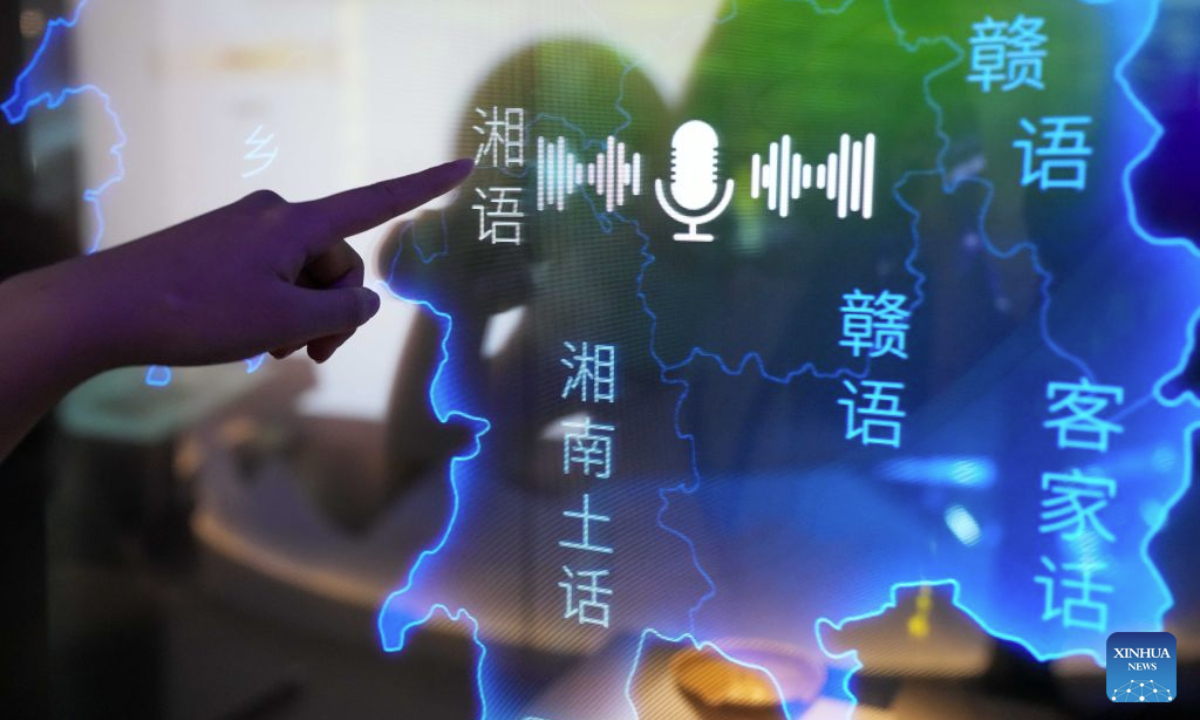
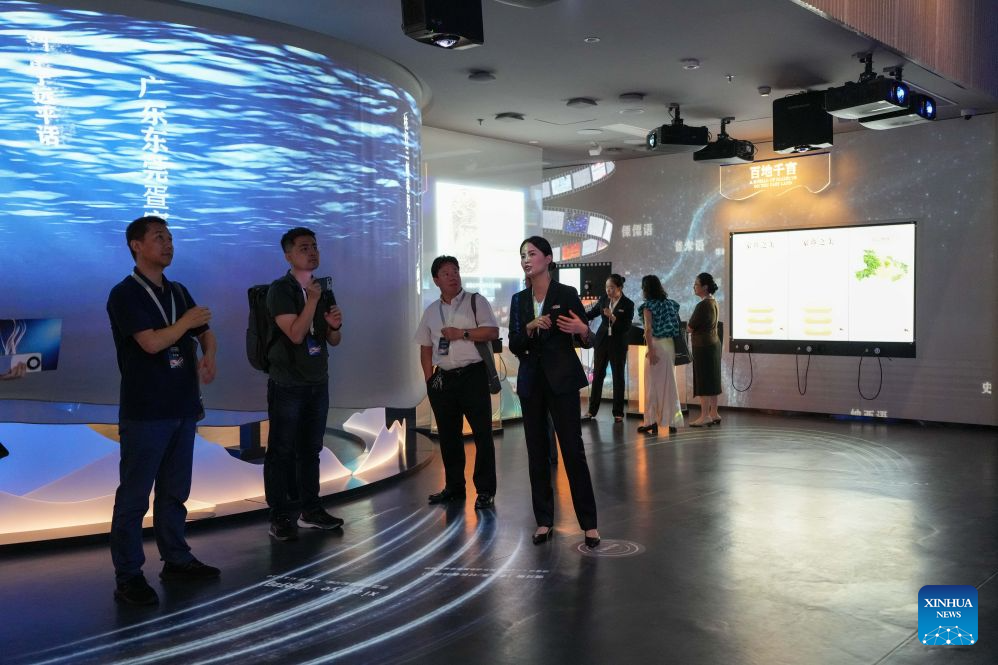
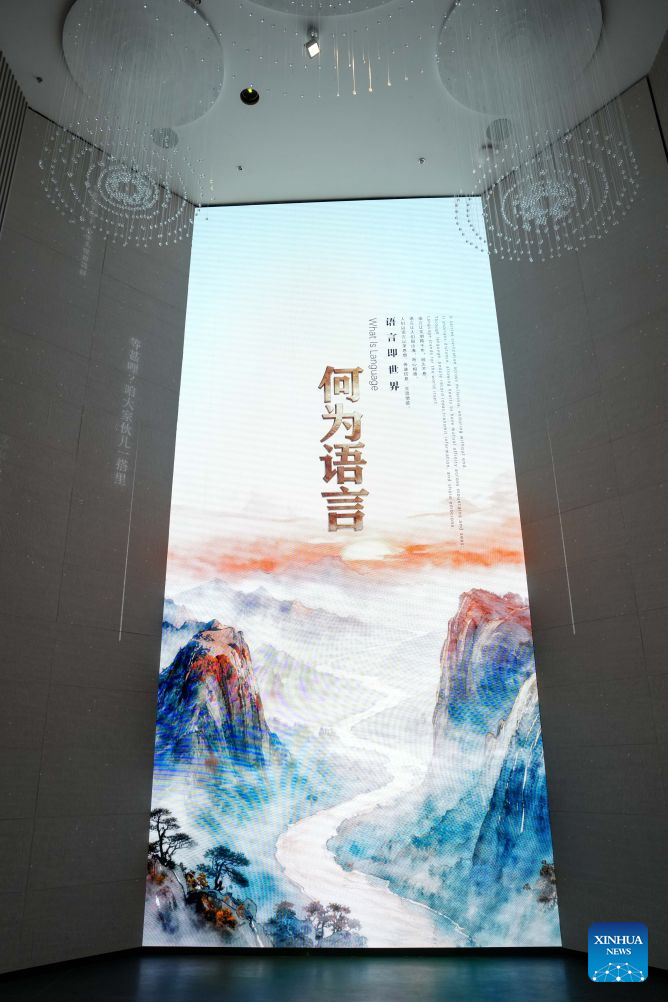
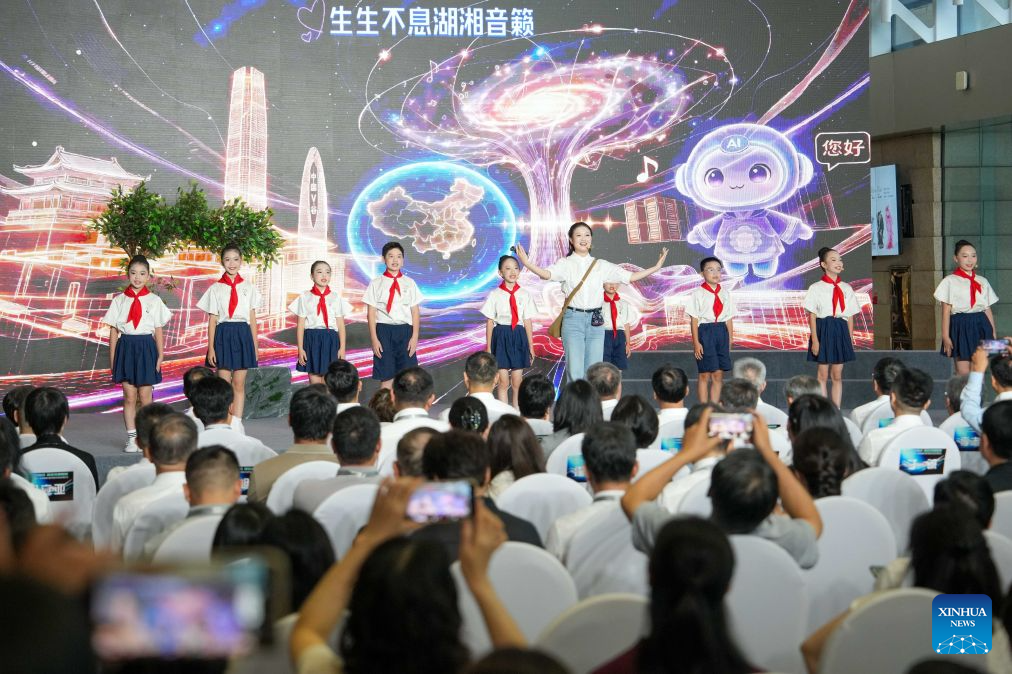
The Exhibition Hall of the Project for the Protection of Language Resources of China opened Monday in Changsha, capital of central China's Hunan Province, bringing decade-long efforts to document languages and dialects to the public through digital and interactive displays.
Located in the Hunan Museum, the exhibition brings together recordings and other language materials collected from more than 1,800 field survey sites across China. More than 30 language-related cultural relics are also on display.
The recordings represent 10 major Chinese dialects and more than 100 ethnic minority languages, including Mongolian, Tibetan, Uygur and Zhuang, said Chen Xuliang, deputy Party secretary of the Hunan Museum.
"Digital technology is helping bring the results of language preservation research out of databases and into public cultural spaces," he said.
The exhibition draws on materials collected through a national language preservation project launched in 2015 to document and preserve the country's diverse languages and dialects. It is the world's largest project of its kind, according to experts.
Over the past decade, researchers have traveled to remote mountain villages and pastoral areas to find native speakers of different ages. They systematically recorded words, grammatical examples, oral traditions and other language materials, turning oral memories at risk of disappearing in digital records that can be preserved for generations.
The work has become increasingly urgent as the number of native speakers of some languages declines.
China is home to more than 100 languages and numerous dialects. Some languages, including Hezhen and Manchu, now have fewer than 100 speakers.
Economic integration, population mobility and the social changes they bring are making it increasingly difficult to preserve languages and cultural traditions around the world, said Wang Lining, a professor at Beijing Normal University's School of Chinese Language and Literature and a participant in the language preservation project.
Many languages lack well-developed writing systems, Wang said, meaning knowledge and memories passed down orally can be lost when their speakers die.
The new exhibition aims to bring such preservation work closer to the public. It also promotes the principles of the "Yuelu Proclamation," which was officially released in 2019 and described as UNESCO's first permanent document themed on the protection of linguistic diversity.
Experts attending the exhibition's opening said a key challenge is how to use artificial intelligence and digital museum technologies to turn vast collections of field recordings into cultural experiences the public can engage with.
For Wang, documenting endangered languages is only the beginning.
"In the past, the focus was on recording endangered languages and preserving samples of their voices," she said. "In the future, preservation needs to move toward keeping languages alive."
The exhibition hall, Wang said, is part of that shift, taking language resources beyond academic research and bringing them closer to everyday life.
。 合肥8月23日电(江婉琪 赵强)在安徽省蚌埠市五河县朱顶镇,一些牛舍屋顶上铺满了深蓝色光伏板,正静静地把阳光转化为电流。与此同时,舍内奶牛正埋头啃食饲料。

B | 今年7月,亚洲最大单体规模化奶牛牧场屋顶牧光互补项目在安徽正式投产,总铺设面积56万平方米,采用牛舍屋顶集中式光伏建设形式,全程不新增占用土地资源。该项目日最高发电量达30万千瓦时,预计全年发电量约8000万千瓦时。 “‘亚洲最大’主要是指牧场的单体规模,一个牧场里面养4万头牛。”安徽华电五河现代牧业60MW光伏发电项目负责人肖军说,“光伏板装在牛棚顶上,还能给牛棚带来一定的降温效果。”8月20日拍摄的安徽华电五河现代牧业60MW光伏发电项目。(无人机照片)中新社记者 赵强 摄 这一项目,正是安徽“光伏+”实践的一个缩影。在合肥市山南镇,总投资5.14亿元(人民币,下同)的渔光互补项目近日开工建设,预计租赁塘口约2600亩、实现年产值约3800万元;在广德市,近2700亩的茶园里敷设了近60万平方米光伏板,每年1.36亿千瓦时的绿电输出,可节约标准煤4万吨,减排二氧化碳超10万吨。 今年2月发布的《全球风光水发电能力年景预测2026》预测,2026年中国光伏总发电能力将提高约25%。 “光伏+”的热潮并非安徽独有。近年来,中国越来越多的省份正竞相探索这一赛道。在江苏丹阳,水台村的农光复合利用项目正加速铺开,该项目每年为该村村集体带来超60万元的净收益;在山东滨州,“渔光一体”现代产业园年均发电量接近4亿千瓦时,年营收超1.6亿元;云南构建起以“茶光、农光、牧光、林光、药光”为主线的“五光”融合发展体系,全面提升土地综合价值。

C | 在各类“光伏+”应用场景加速落地的背后,是国家层面政策体系的加速构建。7月,中国有关部门联合印发的《可再生能源发展“十五五”规划》提出,持续深化分布式新能源多场景多元化开发,推动与工商业、交通、建筑、农业等场景集成融合发展,加强空间集约复合利用。 中国国家能源局近日发布数据显示,2026年上半年,中国新能源和可再生能源发展总体保持平稳态势,可再生能源发电装机达到24.55亿千瓦,占全国电力总装机的60.7%,其中风电光伏发电装机约19.5亿千瓦,占比接近一半。

D | 据五河县发展和改革委员会能源办公室主任钱得利介绍,该县已开发总体新能源装机规模约120万千瓦。“牧光互补项目实现了畜牧养殖与光伏发电双向收益,希望带动更多畜牧养殖区探索‘光伏+养殖’的绿色发展模式。” 中国光伏行业协会原秘书长王勃华日前公开表示,光伏行业需摆脱“比规模、拼价格”的传统竞争模式,同时依托全产业链能耗与能效的双重约束,推动光伏产业实现从“规模为王”到“能效领先+技术创新”的关键转型。 中国科学技术大学光学与光学工程系副研究员、中国光学学会农业光学专业委员会副秘书长张昕昱接受笔者采访时表示,从农业本位来看,“光伏+”的核心是“水-能-粮-碳资源协同最优”。土地首要保障农业生产功能,光伏发电作为附加收益。未来可拓展盐碱地农光互补、育苗光伏等新场景,实现精细化、高值化复合利用。

E |
Current article:http://9x3.xiaqingzhuangdaminnan.cyou/3i38utz/onq9us.html
Published on:18:03:50


